Orchestrating Excellence: How to Build Vendor Relationships That Protect Your Event's Vision
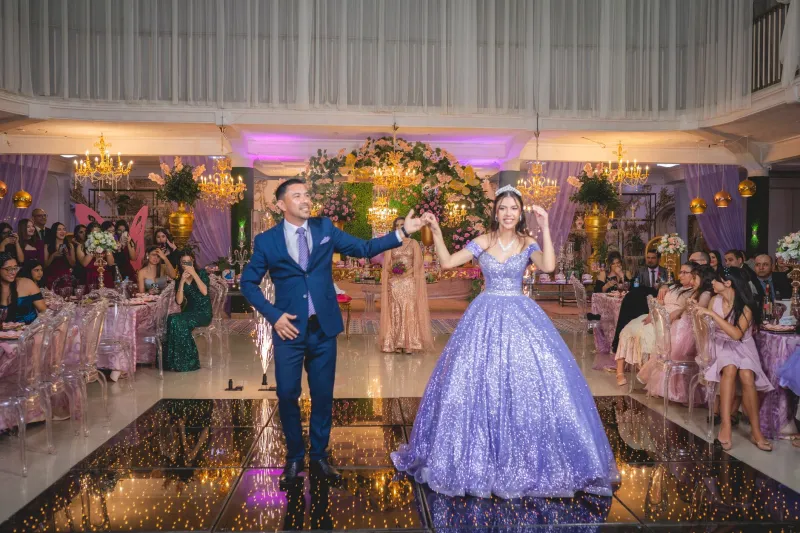
There is a particular kind of vulnerability inherent to event planning that rarely surfaces in glossy portfolios or highlight reels. Behind every seamless gala, every flawlessly timed corporate conference, every reception that leaves guests breathless, lies a network of independent professionals whose performance you cannot directly control. Caterers, audio-visual technicians, florists, lighting designers, transportation coordinators—each one is a sovereign entity operating under their own pressures, priorities, and limitations.
This is the central tension of premium event production: your reputation is only as strong as the weakest link in a chain you did not entirely forge.
Yet the most accomplished event designers do not simply hope for the best. They engineer the conditions under which excellence becomes the most likely outcome. That distinction—between passive reliance and active architectural thinking—separates events that merely happen from those that endure in memory.
The Illusion of Control and What Replaces It
Many clients approach event planning with the assumption that hiring a reputable vendor is sufficient. A well-reviewed florist, a catering company with an impressive client list, an AV firm that has worked major venues across the country—these credentials feel like guarantees. They are not.
Credentials establish baseline competence. They do not ensure alignment with your specific vision, your timeline, or your guests' expectations. A florist celebrated for lush garden-style arrangements may have limited experience with the restrained, architectural aesthetic your brand requires. A catering team that excels at buffet service may struggle with the precision of a plated twelve-course dinner.
The productive alternative to the illusion of control is the deliberate construction of clarity. When every vendor understands not only what they are expected to deliver, but why it matters and how it connects to the larger experience, the probability of alignment increases substantially. Vendors who understand the vision become collaborators. Those who receive only logistical instructions remain technicians.
Vetting Beyond the Portfolio
Effective vendor vetting is a discipline, not a checklist. It requires asking questions that most clients never think to raise.
Beyond reviewing past work, the most revealing inquiries concern process: How does this vendor communicate when problems arise? What does their escalation protocol look like? How have they handled a significant equipment failure, a staffing shortage, or a last-minute client change? The answers illuminate character under pressure—which is precisely when character matters most.
Reference conversations deserve particular attention. Rather than simply confirming that a vendor performed well, ask previous clients to describe a moment when something went wrong and how the vendor responded. Vendors who have never encountered adversity are unknown quantities. Those who have navigated difficulty and emerged with their relationships intact are demonstrably more reliable partners.
It is also worth examining a vendor's existing commitments on your event date. A top-tier catering company booked for three simultaneous events on a Saturday evening may be stretched in ways that compromise the attention your event deserves. Exclusivity, or at minimum, a candid conversation about capacity, is a reasonable expectation for premium engagements.
Communication Frameworks That Prevent Costly Assumptions
The majority of vendor failures are not failures of capability—they are failures of communication. Assumptions accumulate quietly in the space between an initial contract and an event date, and they surface at the worst possible moments.
A structured communication framework addresses this directly. This means establishing a clear timeline of pre-event touchpoints: a detailed kickoff meeting that covers not just logistics but aesthetic intent, a mid-production check-in to surface emerging concerns, and a final walkthrough that leaves no ambiguity about day-of expectations.
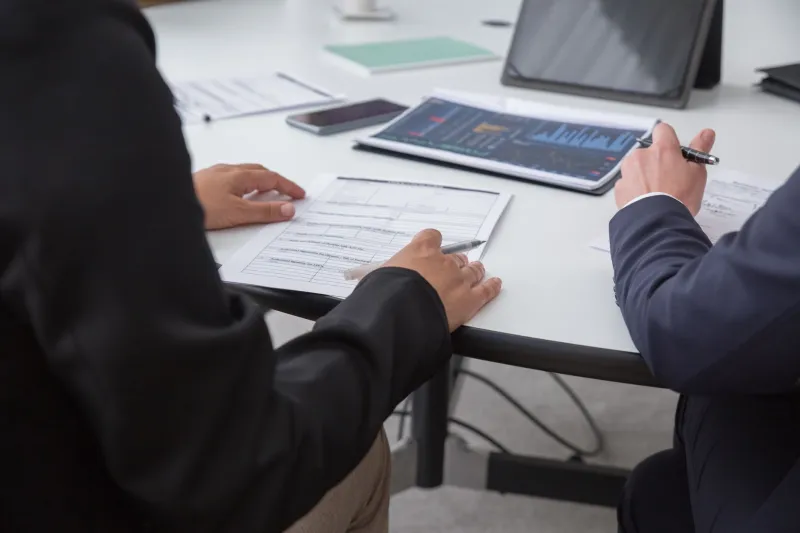
Documentation plays an equally critical role. Verbal agreements dissolve under stress. Written specifications—covering everything from delivery windows and setup dimensions to uniform requirements and dietary accommodation protocols—create shared accountability. When every party is working from the same documented brief, the margin for misinterpretation narrows considerably.
Technology has made this coordination more manageable. Project management platforms, shared timelines, and real-time communication tools allow all vendor partners to maintain visibility into the broader event architecture. When a florist understands that their installation must be complete before the lighting team begins their focus session, and both parties can see that sequencing in a shared document, the day unfolds with far less friction.
Contingency Planning as a Core Design Discipline
Even the most rigorously vetted vendor network and the most thorough communication framework cannot eliminate risk entirely. Equipment fails. Traffic delays deliveries. Staff call in sick at 6:00 a.m. on the morning of a four-hundred-person gala.
The question is not whether contingencies will be needed, but whether you have designed for them in advance.
For every critical vendor function, a premium event plan should include a defined response protocol. Who is contacted first? What is the decision-making threshold for activating a backup vendor? Which elements are non-negotiable and which can be gracefully adapted? Having these answers documented before the event date transforms a crisis into a managed transition.
Backup vendor relationships—firms that understand they may be called upon with limited notice—are a legitimate and worthwhile investment for high-stakes events. The cost of maintaining those relationships is negligible compared to the cost of scrambling for alternatives at midnight before an event.
The Collaborative Model as Competitive Advantage
The most effective approach to vendor management is not adversarial oversight—it is genuine collaboration. Vendors who feel respected, well-briefed, and invested in the outcome of an event perform differently than those who feel like interchangeable contractors.
This means sharing the client's vision with the full vendor team, not just the logistical specifications. It means acknowledging expertise: a veteran lighting designer who has worked thousands of events may have a perspective on a technical challenge that the event planner has not considered. Creating space for that input, while maintaining clear creative direction, produces better outcomes than rigid top-down management.
It also means honoring the professional relationship through timely communication, fair contract terms, and genuine appreciation. The vendor community in any major metropolitan market is smaller than it appears. Event professionals who treat their vendor partners with respect build reputations that attract higher-caliber collaborators over time.
What Clients Rarely See, and Why It Matters
Guests at a premium event have no awareness of the vendor ecosystem that made their experience possible. They do not see the pre-event production calls, the contingency binders, the meticulous timelines, or the quiet problem-solving that happens in service corridors throughout the evening.
They see only the experience itself—and they feel whether it was executed with care.
That invisibility is the highest compliment an event design firm can receive. It means the architecture held, the relationships performed, and the systems worked precisely as intended. Behind every effortless experience is a framework of deliberate choices about who to trust, how to communicate, and how to prepare for the unexpected.
Building that framework is not a peripheral concern. It is the work.