What Guests Remember Versus What You Spent: Rethinking the Psychology of Event Investment
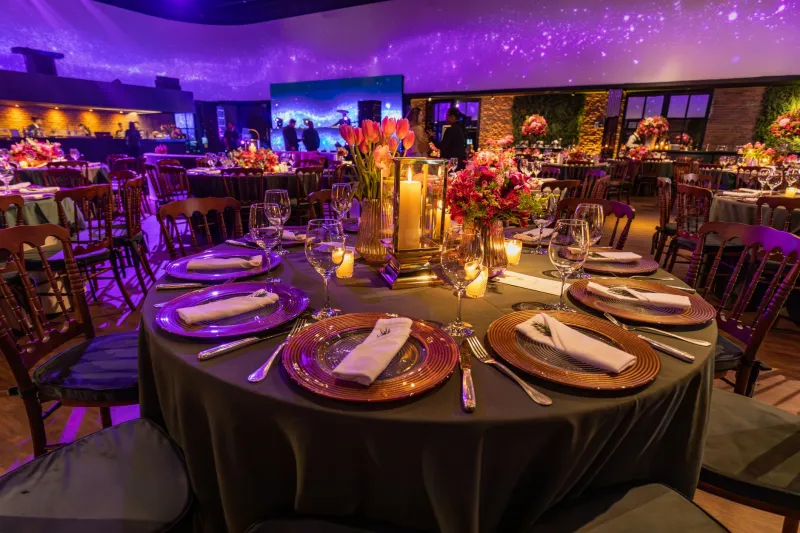
There is a deeply uncomfortable truth that experienced event designers eventually confront: the line item that consumed the largest portion of the budget is often the one guests mention least when recounting the evening. The custom-fabricated ceiling installation, the rare imported floral varietals, the hand-lettered calligraphy on every printed surface—these investments can vanish into the ambient backdrop of a well-designed event, absorbed without conscious registration by the very people they were meant to impress.
This is not a failure of design. In many cases, it is precisely the point. But understanding when invisibility serves an event and when it represents a genuine misallocation of resources is one of the most nuanced skills in premium event production.
The Invisible Architecture of Perceived Luxury
Human memory is not a camera. Guests do not leave an event with an itemized inventory of what they witnessed. Instead, they carry an emotional residue—a feeling about the evening that is constructed from a surprisingly selective set of sensory and interpersonal moments.
Neurological research on memory formation consistently demonstrates that emotional salience, rather than objective quality or cost, determines what gets encoded. An attendee who experienced a brief, unexpectedly warm conversation with a staff member near the entrance may remember that interaction more vividly than the $40,000 floral centerpieces they passed on the way to their seat.
This is not an argument against investing in high-quality materials and craftsmanship. Rather, it is a call to understand the mechanism by which those investments function. Premium finishes and rare materials often work cumulatively, establishing an ambient sense of quality that guests feel without articulating. They contribute to what designers sometimes call the "believability" of an experience—the subconscious assurance that every detail has been considered. When that foundation is present, guests relax into the event. When it is absent, something feels slightly off, even if no one can name what.
Where Premium Spending Gets Quietly Absorbed
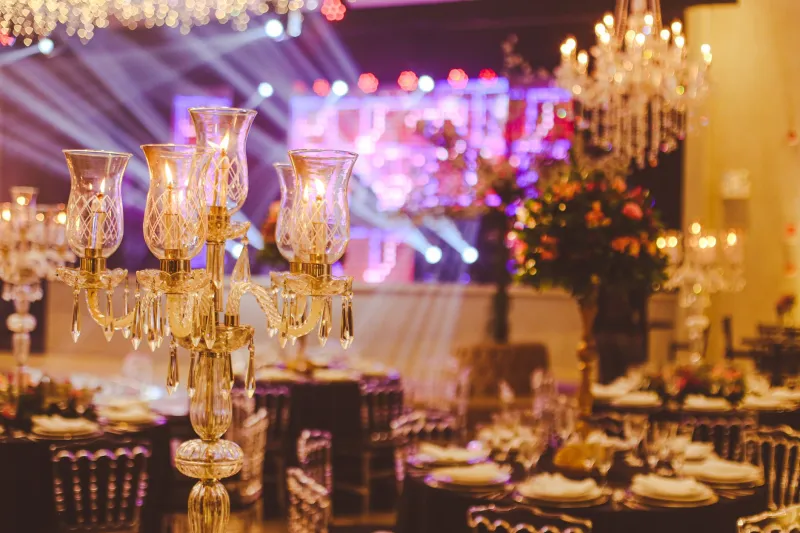
Certain categories of event investment are almost structurally designed to disappear. Lighting rigs, for instance, represent one of the most significant line items in premium event production—and one of the least consciously noticed by guests. A room lit with precision, warmth, and intentional contrast reads as simply beautiful. Guests attribute that beauty to the venue, to the florals, to the overall aesthetic. The lighting itself becomes invisible, which is exactly what masterful lighting design achieves.
Similarly, high-end audiovisual infrastructure—the kind that ensures every spoken word lands cleanly, that music swells at the right moment without distortion, that transitions between program elements feel seamless—functions almost entirely below the threshold of conscious appreciation. Guests notice bad audio immediately. They rarely notice exceptional audio at all.
Custom stationery suites, premium table linens, and bespoke furniture rentals often occupy the same psychological category. They contribute to the overall coherence and quality signal of the environment, but they rarely generate the specific, recountable moments that guests bring up weeks later when describing the event to a colleague.
The Elements That Actually Generate Stories
If premium infrastructure creates the foundation, what builds the memories guests actually articulate?
In consistently observed post-event feedback, a handful of categories emerge with striking regularity.
Personalization at the individual level. When guests encounter something that signals they were specifically considered—a welcome amenity tailored to a known preference, a seating arrangement that places them near someone they've been hoping to reconnect with, a program element that references a shared history—the emotional response is disproportionate to the cost of execution. This kind of personalization requires intelligence and attention, not necessarily a large budget.
Unexpected sensory moments. The scent that guests encounter upon entering a space. The texture of an unusual material placed deliberately in their hands. A single, surprising culinary element that breaks from expectation. These moments spike attention and, consequently, memory formation. They work precisely because they are not anticipated.
Human connection facilitated by design. Events that are structured to create genuine interaction—through thoughtful seating configurations, programming that encourages conversation, or staff trained to act as connectors rather than simply service providers—generate the kind of interpersonal memories that outlast almost any physical design element.
The moment of arrival. Research on peak-end memory effects confirms that the beginning and end of an experience carry outsized weight in how the whole is remembered. A guest's first sixty seconds inside an event space—the sensory impression, the ease of navigation, the warmth of the initial human contact—sets a frame through which everything that follows is interpreted.
Reallocating With Intention
None of this suggests that premium materials, elaborate installations, or high-end production infrastructure are wasted investments. They are not. They establish credibility, signal the event's seriousness, and create the environmental conditions within which memorable moments can occur. A poorly produced event cannot generate the same quality of experience regardless of how many personalized details are embedded within it.
What changes, when designers internalize this psychological reality, is the proportion and sequencing of investment decisions.
Budget conversations that begin with the largest visual spectacle and work downward often leave insufficient resources for the elements that drive actual guest satisfaction. A more psychologically informed approach asks, first, what moments this event needs to create—what guests should feel, what they should be able to recount, what emotional state they should carry home—and then works backward to identify which investments most directly serve those outcomes.
Sometimes that analysis confirms that the large-scale visual anchor is exactly right. The scale of a production can itself be the memorable moment, the thing guests describe for years. But sometimes it reveals that a reallocation toward hospitality training, toward a single extraordinary culinary experience, toward one perfectly executed moment of surprise, would generate more genuine impact per dollar than another increment of production scale.
Designing for the Story Guests Will Tell
At Quality Event Design, the measure of a successful event is not how impressive it looked on the day—it is what guests are still saying about it three weeks later. That standard demands a different set of design questions than conventional production planning tends to ask.
The most enduring events are not necessarily the most visually elaborate. They are the ones that made guests feel genuinely seen, surprised, moved, or connected. They are events where the invisible architecture of quality held everything together while carefully engineered human moments created the memories that travel.
Understanding the gap between what was spent and what was remembered is not a cause for frustration. It is the design opportunity. Fill that gap with intention, and the investment—whatever its scale—begins to work far harder than any line item on a production budget can measure.