Engineered Wonder: The Science of Designing Surprise Into Premium Events
There is a particular kind of silence that falls over a room when something entirely unexpected happens. It lasts only a second or two before it dissolves into laughter, applause, or the kind of collective exhale that signals a shared emotional experience. For event designers working at the premium level, that silence is the goal—and achieving it requires far more calculation than the moment itself would ever suggest.
Surprise, it turns out, is one of the most powerful tools in the event design toolkit. But wielding it effectively demands a sophisticated understanding of human psychology, impeccable timing, and a production infrastructure capable of executing the unforeseeable on cue.
Why the Brain Responds So Strongly to the Unexpected
Neuroscience offers a compelling explanation for why surprise registers so deeply. When the brain encounters something it did not predict, it releases a surge of dopamine—the same neurotransmitter associated with reward and motivation. This neurological response sharpens attention, deepens emotional encoding, and makes the moment far more likely to be retained in long-term memory.
For event designers, this is not merely interesting trivia. It is a design principle. An evening filled exclusively with anticipated pleasures—beautiful florals, excellent food, polished presentations—can be thoroughly enjoyable and still fail to produce a single moment that guests discuss at the dinner table a month later. Introduce one carefully placed surprise, however, and the entire event gains an emotional anchor around which every other detail becomes more vivid.
The key distinction is between surprise that delights and surprise that discomforts. Effective event surprises are calibrated to the audience, the occasion, and the emotional arc of the evening. They feel earned rather than arbitrary, and they land within a context that makes them meaningful.
Mapping the Emotional Arc Before the First Detail Is Booked
Premium event designers do not begin with a vendor list. They begin with an emotional blueprint. Before any venue is selected or any performer is contracted, the foundational question is: What do we want guests to feel, and when?
A corporate gala celebrating a company milestone, for instance, might be designed to move through pride, nostalgia, inspiration, and finally joy. A private social celebration might arc from anticipation through warmth, humor, and culminate in genuine sentiment. Once that emotional roadmap is established, surprise elements can be placed with surgical precision at the moments when the audience is most receptive.
Experienced designers often refer to these placements as "peaks" within the arc—moments of elevated emotional intensity that punctuate the flow of an evening. A well-structured event might include two or three such peaks, each distinct in character, so that the cumulative effect feels rich rather than exhausting.
The Mechanics of Manufacturing Spontaneity
The operational challenge of designing surprise is considerable, and it is here that the gap between adequate event production and truly premium execution becomes most apparent.
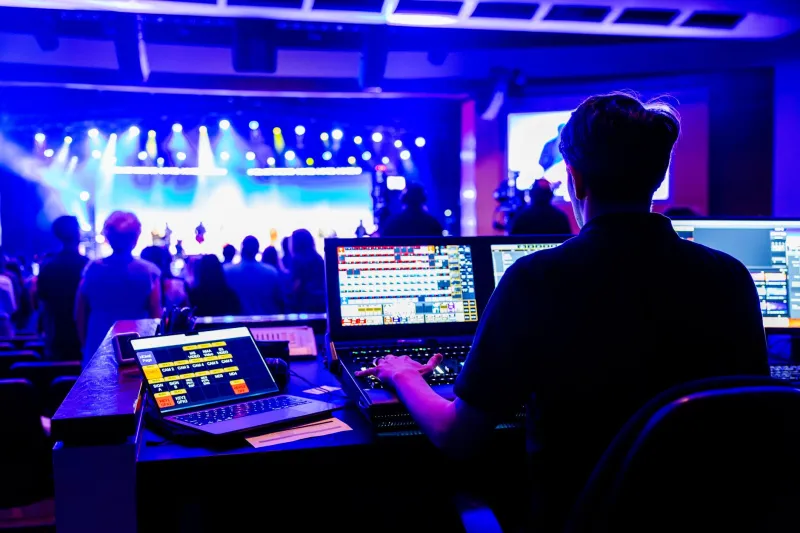
Consider a surprise musical performance. From the guest's perspective, a beloved artist simply appears, seemingly out of nowhere, and begins to play. From the production side, that moment required months of confidential contract negotiations, a dedicated technical crew briefed under strict information protocols, a load-in window coordinated around the existing event schedule, and a cuing system that allows the performance to begin within seconds of the optimal moment in the program.
Similarly, a surprise guest appearance—whether a keynote speaker of extraordinary prominence, a personal figure meaningful to the honoree, or an unexpected creative collaborator—demands a logistical framework that keeps the secret intact across dozens of vendors and staff while ensuring every operational detail is flawlessly prepared.
Information management is, in many ways, the most underappreciated skill in this discipline. The more people who know about a planned surprise, the greater the risk of inadvertent disclosure. Premium event teams develop tiered information structures, sharing only what each stakeholder needs to execute their role, while maintaining full visibility at the production level.
Personalization as the Multiplier
A surprise that feels generic produces a generic response. The emotional power of an unexpected moment scales directly with its specificity to the audience experiencing it.
This is why the research phase of premium event design extends well beyond logistical parameters. Understanding the guest of honor's formative musical experiences, the collective history of a corporate team, the inside references that resonate within a particular community—this intelligence becomes the raw material from which genuinely resonant surprises are constructed.
One approach that consistently delivers results is the curated personal reveal: a moment in which something deeply specific to the honoree or the group is introduced in an unexpected way. A slideshow assembled from photographs contributed secretly by family members across the country. A live performance of a song that holds private significance. A guest who traveled across several time zones to be present. The surprise itself matters less than the evidence it carries—evidence that someone cared enough to pay close attention.
Timing, Pacing, and the Art of the Setup
No surprise lands in isolation. Every unexpected moment is made more powerful—or less—by what precedes it. Skilled designers understand that the setup is as important as the reveal.
Creating a mild sense of the familiar just before an unexpected departure makes the contrast more vivid. Allowing a moment of quiet or gentle routine before a dramatic shift amplifies the emotional impact of the shift itself. This is the same principle that governs effective storytelling: tension requires release, and release requires tension.
Pacing also determines how many surprise elements an event can sustain. Overloading an evening with unexpected moments diminishes each one. Guests require time to absorb, process, and emotionally settle before they can be elevated again. The restraint to deploy surprise selectively—and to trust that a single extraordinary moment is worth more than five adequate ones—is a hallmark of mature event design.
Building the Story Guests Will Tell
Ultimately, the goal of strategic surprise is narrative. Every guest who leaves an event carrying a vivid, emotionally charged story becomes an ambassador for the experience—and, by extension, for the host who created it.
In a landscape where premium events are increasingly evaluated not just by what they deliver in the moment but by the impressions they leave over time, the ability to engineer genuine wonder is among the most valuable capabilities an event design firm can offer.
At Quality Event Design, this philosophy is embedded in every project from the earliest planning conversations. The question is never simply what will happen at this event. The question is always what guests will remember—and what they will feel compelled to describe to someone else the very next morning.